
How to refinance unencumbered trucks to clear an ATO debt
An ATO payment plan feels like a solution. It’s not. It’s a cashflow drain with no tax benefit — and it locks businesses out of standard bank finance until it’s cleared.
There’s usually a better option sitting on the balance sheet.
The situation
A transport business in metropolitan NSW had accumulated a $150,000 ATO debt. They were on a 2-year repayment plan — $6,500 a month going out the door, none of it tax deductible, and the ATO debt sitting on their record making any new finance application difficult.
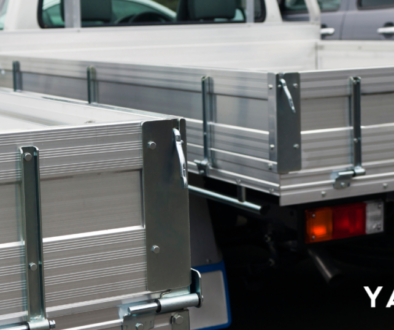
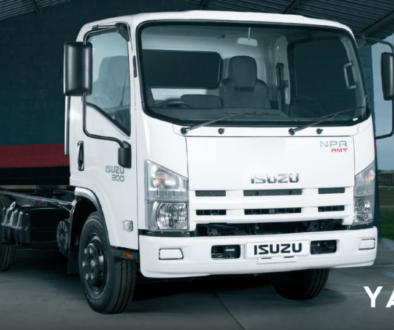
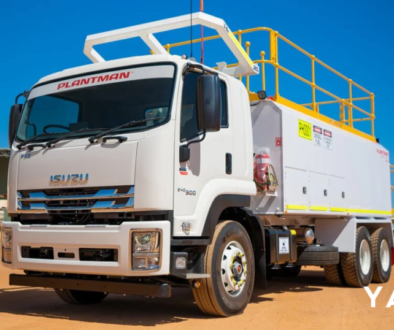
In the background, the business had two paid-off trucks. Fully unencumbered. Not working for them financially.
The challenge
Most business owners and even many accountants don’t immediately see unencumbered equipment as a refinancing asset. The focus is on the ATO debt, the repayment plan, the cashflow pressure. The trucks just look like trucks.
Yakka looked at them as security.
What Yakka did
Yakka identified the two unencumbered trucks and structured a refinance through a major bank — $150,000 over 4 years at 7%, with the ATO debt as the purpose of the facility.
The ATO was paid in full immediately. The payment plan was terminated. The trucks, which had been idle as financial assets, were now backing a properly structured commercial loan.
The outcome
– Monthly repayment dropped from $6,500 to $3,500
– ATO cleared in full — clean record restored
– Loan repayments are now tax deductible (ATO payments are not)
– Client is eligible for standard bank finance again
– Net cashflow improvement: $3,000 per month
Why this matters for your practice
ATO payment plans are visible to lenders. While a business is on one, major bank finance is almost impossible to access — which means any equipment purchases in that period go to second-tier lenders at higher rates. The ATO debt compounds the cost of running the business in multiple ways.
The refinancing move here solved three problems at once: it cleared the ATO debt, restored the client’s lending eligibility, and turned a non-deductible obligation into a tax-deductible one. The net cashflow improvement of $3,000 a month is significant, but the strategic improvement to the business’s financial position is worth more.
If you have clients on ATO payment plans, the question worth asking is: what assets do they own outright? The answer might already be sitting in your client files.
Got a client in a similar position? Talk to Drew.
Drew Davis — Head of Partnerships
drew@yakkafinance.com.au | 0481 002 879